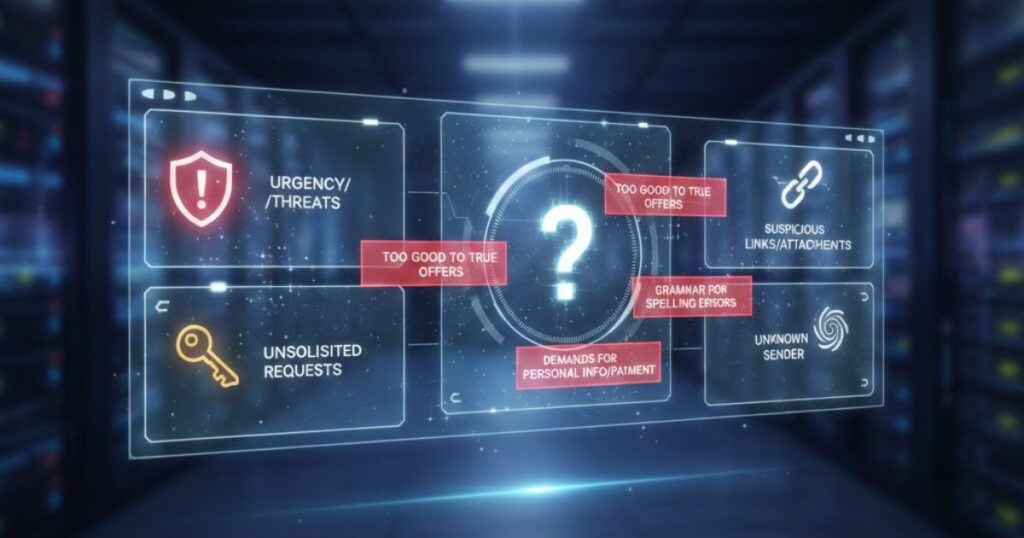
Scams are getting smarter, and many people struggle to spot scam messages today. They often look real and use tricks to confuse you. Learning the simple red flags in scam SMS can help you stay safe and protect your personal information.
Most scam messages follow common patterns like fake delivery updates, funny links, or numbers from unknown countries. When you understand these warning signs, you can avoid clicking harmful links or sharing details. Staying alert makes it easier to stop scam SMS before harm happens.
Knowing how to tell a real message from a fake one keeps you protected every day. By checking the sender, reading carefully, and avoiding wary links, you can confidently avoid scam messages. These small habits help you stay safe from scam SMS and online threats.
Exhibit 1: The delivery delay
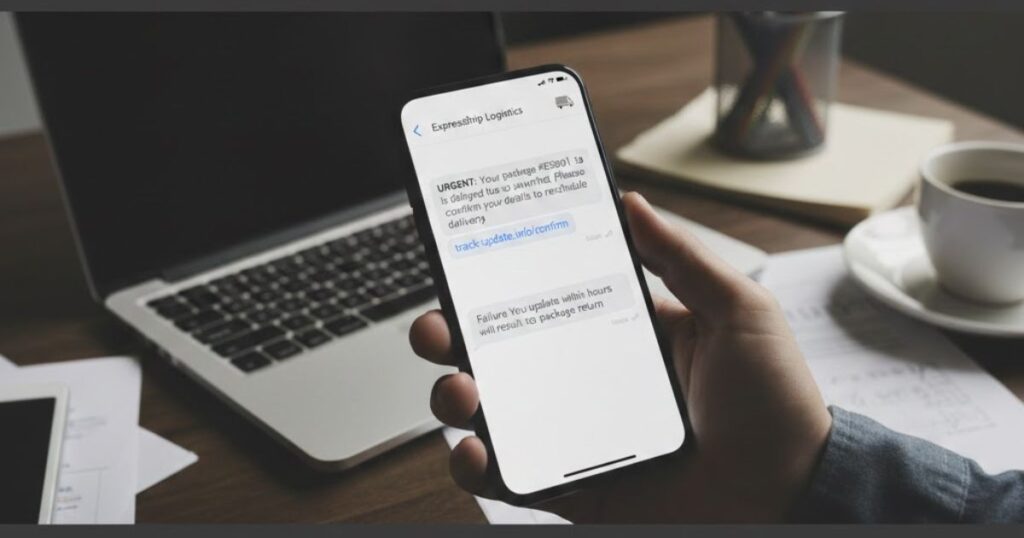
Red flag #1: It says Singapore Post instead of SingPost
When a message claims to be from SingPost but uses “Singapore Post,” it becomes a clear warning sign. Scammers often use slightly different names to trick people into trusting their scam messages. Always check the sender name carefully because real companies use in line branding in every message.
Therefore, when you see spelling mistakes, unusual names, or common labels like “info,” treat the message as wary. These details often appear in hacking SMS, fake delivery notices, and other shortened URL scams created to steal your information.
PS: Always compare the sender name with the official one before trusting any message. Even tiny spelling errors can show take off numbers, fake delivery notifications, or other phishing attempts.
Red flag #2: It contains a link!
When a message includes a clickable link, it becomes a major warning sign. Cheat often hide harmful sites behind shortened URL scams to trick you. Moreover, these links in scam messages can lead to fake pages designed to steal personal information quickly.
Always pause before tapping any link in a scam SMS, especially if it claims urgent action. Real groups avoid sending clickable links in official texts. Therefore, checking the URL closely helps you avoid phishing sites and other chary pages affecting trusted services.
PS: Avoid clicking chance links, even if the message seems real. Many phishing SMS use fake delivery alerts or offers to lure you into harmful pages. Always verify the website first.
Red flag #3: The number has a +63
When you receive a message from a number starting with +63, treat it as a warning sign. Many scam messages come from overseas numbers to hide the sender’s name. Moreover, scammers use these numbers to make their scam SMS appear random and harder to trace.
Even if you see a familiar country code like +65, you should still stay careful because cheating can easily spoof numbers. Therefore, always check the message content, look for phishing SMS patterns, and avoid sharing personal information with unknown or chance senders.
PS: Never trust a message only by its country code. Many phishing attempts use foreign or fake numbers to appear official. Always verify the sender before taking any action.
Exhibit 2: The traffic fine
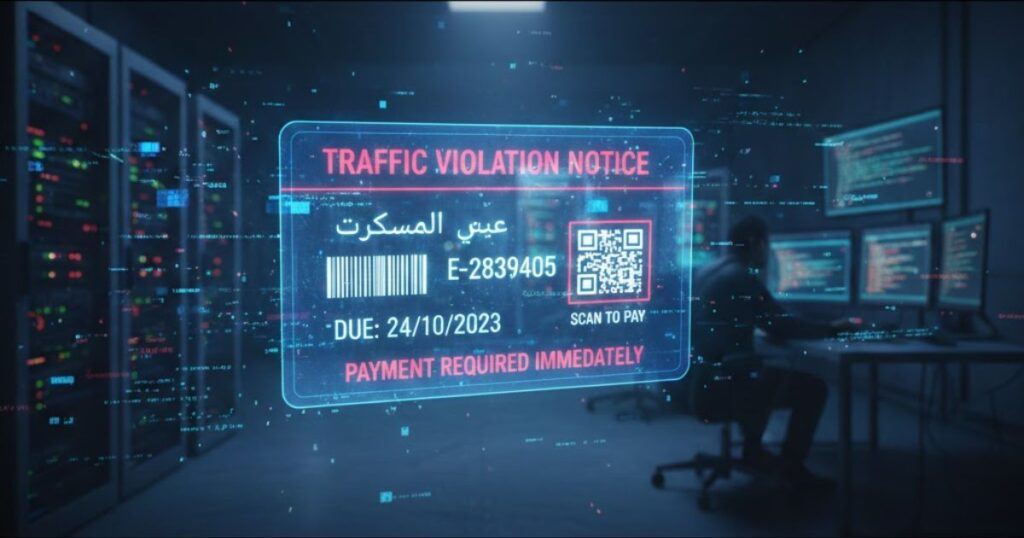
Red flag #4: Dodgy website link
A website link that looks strange or mismatched is a strong warning sign. Cheat often create fake pages that copy real government or bank sites. Moreover, these dodgy website links in scam messages can lead you to dangerous phishing sites designed to steal your data.
Always check the URL carefully before you open it. Real firms use trusted domains like gov.sg, not look-alike versions. Therefore, if a link doesn’t match the official website, treat the scam SMS as unsafe and avoid clicking anything wary.
PS: A small change in a URL can expose a phishing attempt. Compare every link with the real domain to avoid shortened URL scams, fake payment pages, and unsafe websites. Stay alert.
Red flag #5: Unexpected payment requests
When a message suddenly asks you to make a payment, it is a clear warning sign. Scammers use urgent language in scam messages to force you into acting quickly. Moreover, these unexpected requests often appear in phishing SMS pretending to be from banks or government firms.
Real groups follow proper steps and usually require secure login methods like Singpass before any deal. Therefore, if a message demands money without verification, treat it as a scam SMS. Always double-check through official websites instead of trusting random payment links.
PS: Never rush to pay through links in messages. Many shortened URL scams pretend to collect fines or fees. Always confirm payments through official channels to avoid phishing attempts.
Exhibit 3: The fake bank officer

Red flag #6: You’re instructed to download an app
If a message tells you to download an app, treat it as a major warning sign. Cheats often use fake apps to steal data through scam messages. Moreover, many phishing SMS link to unsafe apps that are not on Google Play or the Apple App Store.
Always download apps only from official stores. Therefore, if a message pushes you to install something from a third-party link, it is likely a scam SMS. These apps may contain malware, copy real services, or create shortened URL scams to infect your device.
PS: Avoid installing apps from unknown links. Many scam attempts use fake offers or discounts to spread malware. Always verify the source and stick to trusted app stores.
Exhibit 4: The helpful customer service staff

Red flag #7: Requesting sensitive information
When a message asks for your OTP, passwords, or other personal details, it is a serious warning sign. Cheat use these tricks in scam messages to access your accounts. Moreover, many phishing SMS pretend to be official to make you share sensitive information.
Real groups never request private details through text. Therefore, if you see any message asking for your Singpass login or banking information, treat it as a scam SMS. Always verify through official websites instead of trusting links or shortened URL scams.
PS: Never share personal details through messages. Many phishing attempts use urgency to trick you into revealing sensitive information. Always confirm the request directly with the real group.
How can we stay safe, then?
To stay safe, always check the URL before clicking anything. Real government sites use trusted domains, while scam messages often hide dangerous links in shortened URL scams. Moreover, taking a moment to inspect the address helps you avoid phishing SMS and fake websites.
You should also pay attention to small details, like spelling errors or strange sender names. Scammers rely on quick reactions, so slowing down helps. Therefore, accepting these simple signs can stop you from falling for a scam SMS or a wary request.
Another smart step is to cross-check any message with official sources. Visit the real website instead of clicking links in scam messages. Moreover, comparing information helps you avoid phishing attempts that pretend to be banks, delivery companies, or government firms.
Keeping updated with new scam tactics is also important. Cheat always change their methods, especially in phishing SMS. Therefore, learning about recent tricks and sharing them with friends or family makes everyone safer and reduces the chances of falling for shortened URL scams.
Always protect your personal information. Never share passwords, OTPs, or banking details through messages. Moreover, if something feels unusual, trust your skill and verify it. These habits will help you identify a scam SMS quickly and stay safe from online threats.
Quick Tips
The first line of defence – ‘gov.sg’
Always check if the website uses gov.sg in its URL. This is the first sign that a site is official. Moreover, trusting scam messages without verification can lead to phishing SMS risks.
Look out for the right shortened links
Pay attention to shortened links like go.gov.sg, for.sg, or for.edu.sg. These links are created by real control. Therefore, avoiding unknown links in scam SMS protects you from shortened URL scams.
Manually check the links you receive
Always examine URLs before clicking. Many scam messages use look-alike domains or dodgy website links. Consequently, manually checking links helps prevent phishing sites from stealing your personal information.
Connect with us!
If you are unsure about a message, contact the official group directly. This avoids falling for scam SMS or phishing SMS. Moreover, real control can confirm if a request is legal.
Conclusion
Scammers are becoming more clever, making it important to stay alert. By learning to spot red flags like fake sender names, wary links, unusual country codes, dodgy websites, chance payment requests, app downloads, and requests for sensitive information, you can protect yourself.
Always verify messages through official channels, check URLs carefully, and trust only secure sources like gov.sg. Avoid clicking links in scam messages or phishing SMS, and never share personal details without confirmation. Staying informed and cautious is the best defence against fraud, helping you navigate digital communication safely and confidently every day.
FAQS
What is a scam message?
A scam message is a text or email designed to trick you into sharing personal information, clicking harmful links, or making banned payments.
How can I spot a scam SMS?
Look for red flags like fake sender names, wary links, unusual numbers, unexpected payment requests, app download order, or requests for sensitive information.
Are links in scam messages safe to click?
No, shortened URL scams in scam SMS often lead to phishing sites or malware. Always verify links through official websites before clicking.
What should I do if I receive a suspicious message?
Do not respond, click links, or share personal details. Instead, verify through official channels, report the scam SMS, and delete it right now.
How can I stay safe online from scams?
Check sender names, examine URLs, avoid sharing passwords or OTPs, trust official domains like gov.sg, and stay informed about phishing SMS tactics.
Read More Articles: Msgsword