SMB ports are special network ports that help computers share files, printers, and other resources over a network. The SMB port allows devices to communicate easily, making teamwork and resource access much faster and smoother across networks.
Originally, SMB used Port 139 to connect Windows computers on the same network. It worked through NetBIOS over TCP/IP, allowing devices to exchange data and resources securely within local networks.
Later, newer systems started using Port 445 for direct TCP/IP communication. This port is now preferred because it allows file sharing not only on local networks but also across larger networks, including the internet, making resource sharing more open and logical.
What is SMB Port?
The SMB port is a network port used for sharing files, printers, and other resources between computers. By using TCP Port 445 or Port 139, devices can communicate smoothly over a network. It also supports inter-process communication, making teamwork easier and improving network order.
Additionally, the main purpose of SMB is to share resources, which allows it to be applied in the following scenarios:
- The SMB port enables devices to share files, printers, and other resources over a network, making network communication faster and smoother.
- By using Port 139 or TCP Port 445, the SMB port allows safe inter-process communication and collaboration while reducing unauthorized access risks.
What are Port 139 and Port 445?
Port 139 and Port 445 are network ports used by the SMB protocol for file and printer sharing. While Port 139 works through NetBIOS, Port 445 allows direct TCP/IP communication, enabling faster and more secure network resource sharing across local and wider networks.
Port 139
Port 139 is an older network port used by the SMB protocol to share files, printers, and other money on Windows networks. It works through NetBIOS over TCP/IP, allowing devices to communicate within the same network. Proper security measures help prevent lawful access and keep network communication safe.
Port 445
Port 445 is a modern port used by the SMB protocol for direct TCP/IP communication. Unlike Port 139, it supports file and printer sharing across local and wide networks. Using Port 445 with firewalls, VPNs, and proper monitoring ensures secure SMB ports and protects in case of network attacks.
How does SMB Protocol work?
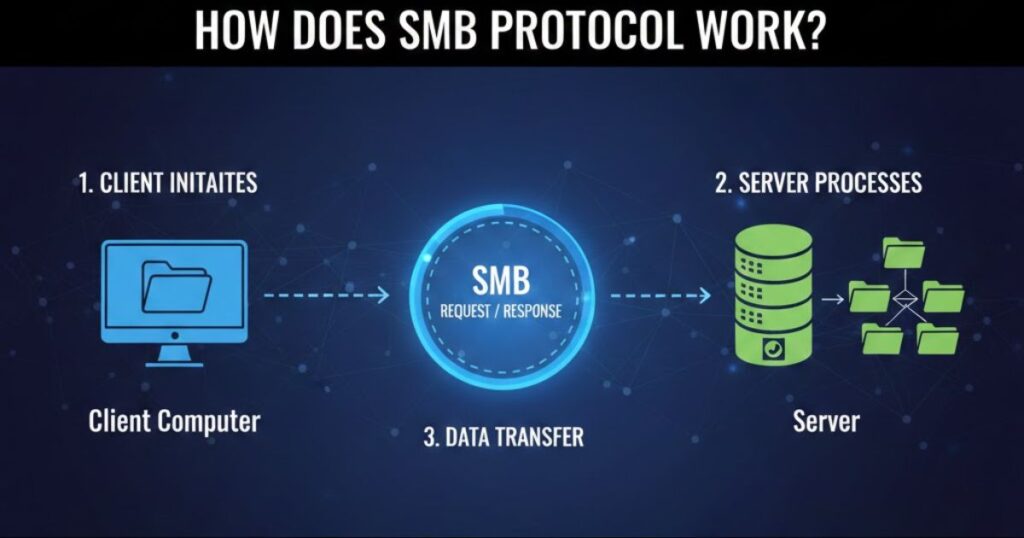
Client-Server Communication
The SMB protocol follows a client-server model. A client sends requests to access files or printers, and the server responds, ensuring smooth network communication and efficient resource sharing.
SMB ports like Port 139 and TCP Port 445 handle these requests, supporting inter-process communication and secure collaboration across devices on local or wider networks.
Historical Development
The SMB protocol was first developed by IBM in 1983 to allow DOS computers to access files over networks, laying the foundation for modern network resource sharing.
Microsoft later integrated SMB ports into its LAN Manager product. Over time, upgrades like CIFS, SMB 2, and SMB 3 improved performance, order, and network security.
SMB Protocol Dialects
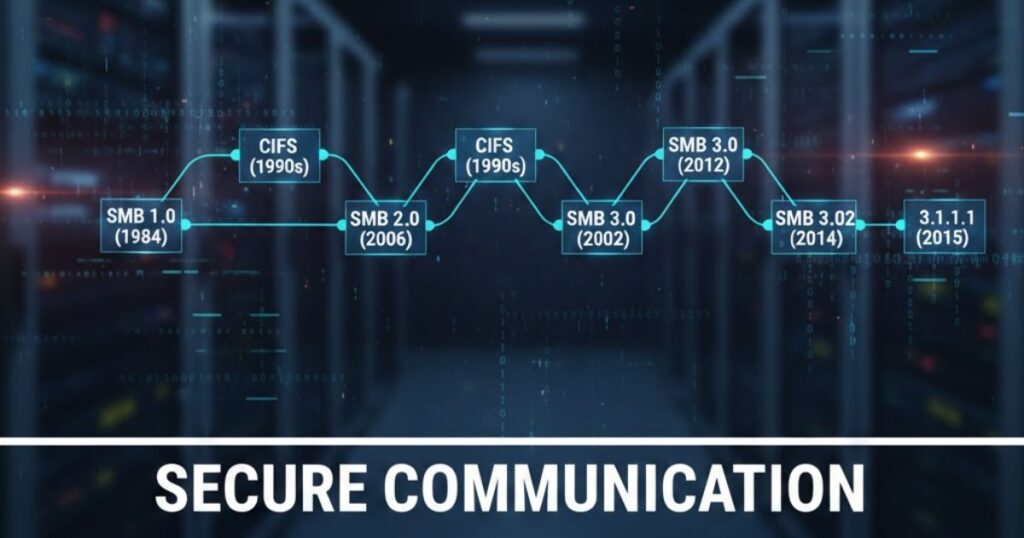
As networks evolved, different SMB dialects emerged to meet varied needs. These dialects help devices communicate usefully and securely using SMB ports, Port 139, and TCP Port 445.
By supporting multiple SMB protocol dialects, systems can share files, printers, and other resources across Windows, Linux, and non-Windows devices while maintaining logical network communication.
SMB Dialect Variations
Below are some widely used SMB dialects and the purposes they serve:
- CIFS (Common Internet File System): Developed by Microsoft for Windows 95, CIFS allows clients to access remote files and printers as if they were local, enhancing network resource sharing.
- Samba: An open-source SMB dialect, Samba enables Linux and Unix machines to communicate seamlessly with Windows systems, using SMB ports for secure file and printer sharing.
- NQ: Created by Visuality Systems, NQ brings the SMB protocol to non-Windows platforms like printers and home network devices, supporting cross-platform network communication.
- Tuxera SMB & MoSMB: Proprietary SMB dialects designed for enterprise environments, offering advanced authentication, improved performance, and secure file sharing through Port 445 and SMB ports.
Security Risks Associated with Open SMB Ports
Open SMB ports like Port 139 and TCP Port 445 can be exploited by attackers to gain unauthorized access. These vulnerabilities may lead to malware spread, ransomware attacks, and network breaches, putting network communication and careful data at serious risk.
Exposed SMB ports can create several security risks, including the following weakness:
- Wormable Ports: Open SMB ports can let malware spread across networks.
- Man-in-the-Middle: Attackers can intercept data on SMB ports.
- NetBIOS Spoofing: Port 139 can be used to impersonate devices.
Case Study: WannaCry Ransomware:
In 2017, the WannaCry ransomware targeted Windows systems using outdated SMB ports, mostly Port 445. It encrypted users’ files, demanding a ransom, while fast spreading across networks through open SMB protocol communication.
The hack used its worm-like power to scan and infect other machines. Networks with exposed SMB ports were highly vulnerable, showing how critical it is to secure Port 139, TCP Port 445, and all SMB ports against attacks.
Many companies faced severe downtime and data loss. Organizations that had updated systems and patched SMB vulnerabilities avoided major impact, highlighting the importance of proper security, monitoring SMB ports, and maintaining safe network resource sharing.
Best Practices to Secure SMB Ports 139 and 445
To protect SMB ports 139 and 445, organizations should follow best practices. Securing these ports prevents unauthorized access, reduces risks from malware, and ensures safe network communication and reliable SMB protocol operation.
Enable Firewall and Endpoint Protection:
Using firewalls and endpoint security helps block lawful access to SMB ports. It monitors traffic, prevents attacks on Port 139 and TCP Port 445, and ensures secure network resource sharing.
Utilize VPNs:
VPNs encrypt traffic over SMB ports, keeping TCP/IP communication safe from attackers on public or confident networks.
Create VLANs:
VLANs isolate internal traffic, limiting exposure of SMB ports and protecting network communication from potential breaches.
Implement MAC Address Filtering:
Using MAC address filtering controls which devices access the network, securing SMB ports and enhancing safe network communication helpfully.
Implement System Configuration Changes
You can apply these adjustments to strengthen your defenses against attacks usefully SMB ports.
Disable NetBIOS over TCP/IP
- Open Network and Sharing Center and select your network connection.
- Click Properties, then choose Internet Protocol (TCP/IP) and select Properties.
- Click Advanced, go to the WINS tab, and locate NetBIOS settings.
- Select Disable NetBIOS over TCP/IP to stop unnecessary Port 139 communication.
- Save changes to secure SMB ports and improve overall network communication safety.
Commands to monitor port status
To check if NetBIOS or SMB ports are active, run commands like net config redirector or net config server. These commands show if Port 139 or TCP Port 445 is bound to the network adapter, helping monitor and maintain secure SMB protocol communication.
Conclusion
The SMB protocol is essential for sharing files, printers, and other resources across networks, using Port 139 and TCP Port 445. While it enables smooth network communication, open or misconfigured SMB ports can expose systems to malware, hack, and attacks like WannaCry.
By following best practices such as allowing firewalls, using VPNs, creating VLANs, applying MAC filtering, and disabling NetBIOS organizations can secure SMB protocol communication helpfully. Regular monitoring of port status and keeping systems updated ensures safe network resource sharing, protecting careful data while maintaining reliable and logical collaboration across devices.
FAQs
What is an SMB port?
An SMB port is a network port that allows devices to share files, printers, and other resources, supporting smooth network communication across Windows and Linux systems.
What is Port 139 used for?
Port 139 enables the SMB protocol to communicate over NetBIOS, allowing file and printer sharing within local networks while supporting safe network resource access.
What is Port 445 used for?
Port 445 allows direct TCP/IP communication for the SMB protocol, allowing file sharing across local and wider networks while securing network communication efficiently.
How can SMB ports be secured?
SMB ports can be protected by allowing firewalls, using VPNs, creating VLANs, applying MAC address filtering, and disabling NetBIOS to reduce vulnerabilities.
What risks do open SMB ports pose?
Open SMB ports like Port 139 and TCP Port 445 can be exploited for malware, ransomware, Man-in-the-Middle attacks, or unauthorized access to sensitive network resources.
Read More Articles: Msgsword