Subliminal messages are hidden cues in advertising that influence our thoughts without us noticing. Brands use them to make us feel certain emotions or take action. Sometimes they are clever, fun, or even surprising, shaping our choices quietly.
Many companies embed hidden images, symbols, or words in logos, videos, or ads. These subliminal messages in advertising are designed to make products more appealing. They can create positive feelings, spark curiosity, or even make us laugh while keeping the brand in our minds.
From arrows in logos to secret words in pictures, these subliminal advertising examples show how creative marketers can be. Some are playful, some are bold, but all aim to connect with the audience without being obvious or forceful.
What are subliminal messages?
Subliminal messages are hidden signals that affect your subconscious mind without you realizing it. Brands or media use them to influence consumer behavior subtly. These messages can appear in images, videos, sounds, or logos, shaping how you feel or think.
For example, in advertising, subliminal perception examples often include tiny symbols or flashes of words designed to grab attention. Your brain processes these messages unconsciously, which can create positive feelings or associations with a brand. Over time, this subtly influences your choices and preferences.
Subliminal advertising is a part of neuromarketing, which studies how people respond to hidden cues. Advertisers aim to connect emotions and subconscious thoughts to products. When used ethically, these techniques enhance brand perception and keep customers engaged without forcing decisions.
Even movies and music use subliminal messages as examples for artistic effects. Quick flashes of images or hidden audio cues can create excitement, fear, or joy. Understanding subliminal messaging techniques helps consumers recognize hidden influences and appreciate creative marketing strategies responsibly.
Types of subliminal messages

Subliminal messages come in different forms, mainly visual and auditory subliminal messages. They use hidden images, sounds, or logos to influence the subconscious mind, shape consumer behavior, and enhance brand perception effectively.
Auditory Subliminal Messages
There are two types of auditory subliminal messages:
- Backmasking
- Subaudible messaging
Backmasking
Backmasking is a technique where audio recordings play messages backward in songs or ads. Your subconscious mind may detect these hidden cues, influencing consumer perception or emotional response without conscious awareness.
Many famous bands in the 60s and 70s used backmasking, embedding secret words or phrases. Listeners might sense hidden themes like sex, drugs, or excitement, making songs more engaging or memorable while keeping the messages subtle.
Critics claimed backmasking subliminal messages could be dangerous, while audio engineers argued it’s difficult to detect consciously. Still, the technique highlights how sound can influence the subconscious brain in marketing or media.
Overall, backmasking examples show how auditory cues can shape behavior and perception creatively. When applied ethically, brands can use subtle sounds to enhance emotional connections with audiences.
Subaudible Messaging
Subaudible messaging hides low-volume messages within audio tracks, so your subconscious mind hears them without conscious attention. This technique subtly affects consumer behavior or mood in songs, ads, or videos.
Unlike backmasking, subaudible messages play forward but are embedded in background sounds. They often include whispered words or gentle cues that influence feelings, creating positive associations with a product or brand.
Brands use subaudible messaging examples to enhance emotional engagement. By triggering subconscious recognition, they help audiences connect with messages, making marketing campaigns more memorable and effective over time.
Visual Subliminal Messages

There are two types of visual subliminal messages:
- Subvisual messaging
- Embeds
Subvisual Messaging
Subvisual messaging flashes images or frames so quickly that your subconscious mind notices them, but you don’t consciously see them. This technique subtly shapes consumer behavior and brand perception.
Brands use subvisual messaging examples in videos and ads to influence emotions or highlight products. Quick visual cues trigger subconscious recognition, making messages more memorable and effective without being obvious.
Embeds
Embeds hide images or symbols within other visuals, like logos, posters, or ads. Your subconscious mind detects them, enhancing brand awareness and emotional connection subtly.
Many subliminal advertising examples use embeds to associate positive feelings with products. Hidden cues create curiosity, excitement, or trust, influencing consumer perception without conscious effort.
This technique is common in marketing because embedded subliminal messages reinforce brand values creatively. For example, logos may contain shapes or symbols that subtly communicate quality, family, or fun, strengthening customer loyalty.
16 Subliminal Messages Examples
Many brands use subliminal messages examples to subtly influence the subconscious mind. Hidden arrows, symbols, or words in logos and ads shape consumer behavior, boost brand perception, and keep audiences engaged without noticing.
These subliminal advertising examples show how clever marketing can connect emotions with products. From hidden images to quick flashes, brands create curiosity, positive feelings, and loyalty, proving that subliminal perception examples can be effective when used responsibly.
1. The FedEx logo

The FedEx logo is a classic example of subliminal messages in advertising. Between the letters “E” and “x,” there is a hidden arrow, symbolizing speed and precision, influencing the subconscious mind.
This subtle arrow is not obvious at first glance, yet it communicates movement and efficiency. Such subliminal messages examples help customers associate FedEx with reliable delivery without being overt or pushy.
The clever design demonstrates how visual subliminal messages can shape consumer behavior. By embedding a simple symbol, FedEx reinforces its brand values and keeps the audience’s attention subconsciously.
Overall, the FedEx logo proves that subliminal advertising examples don’t need to be flashy. Small, hidden cues can enhance brand perception and create lasting impressions with minimal effort.
2. Amazon’s logo

The Amazon logo is a famous subliminal advertising example. The curved arrow connecting “a” to “z” shows that Amazon sells everything, from A to Z, influencing the subconscious mind.
Additionally, the arrow doubles as a smile, giving positive feelings and happiness. This clever subliminal message in advertising reinforces customer satisfaction and makes the brand memorable and friendly without being obvious.
Overall, Amazon’s design shows how subliminal messages examples can communicate multiple ideas at once. Subtle cues like arrows or shapes enhance brand perception and shape consumer behavior effectively and ethically.
3. KFC’s hidden dollar bill

In 2008, KFC launched a new product called the KFC Snacker. The ad included a hidden $1 bill in the salad, a creative subliminal advertising example to attract attention.
This subliminal message in advertising encouraged viewers to look closely and search for the hidden bill. It triggered curiosity and engagement, influencing the subconscious mind without directly asking customers to buy.
The hidden dollar bill suggested affordability, subtly reinforcing the idea that KFC products offer good value. This clever tactic influenced consumer behavior, making people feel they could enjoy quality food at low cost.
KFC’s strategy also leveraged subliminal messages examples to create a small challenge for viewers. By searching for the bill, customers spent more time interacting with the ad, increasing brand awareness and interest.
Moreover, the campaign generated positive emotions. Finding the hidden dollar bill triggered satisfaction and excitement, connecting those feelings to the brand. This is a perfect subliminal perception example in marketing.
Overall, KFC’s hidden dollar bill ad demonstrates how subliminal messages in advertising can increase engagement, create positive associations, and subtly influence consumer behavior while reinforcing brand loyalty creatively and ethically.
4. McDonald’s and Food Networks “mistake” priming

In 2007, McDonald’s logo briefly flashed on the Food Network during Iron Chef. Many viewers questioned if this was subliminal messages in advertising, aiming to influence consumer behavior without their conscious awareness.
This subliminal advertising example sparked controversy. Viewers felt deceived, believing the logo was meant to trigger hunger or brand preference. However, both McDonald’s and Food Network claimed it was a technical error.
Overall, this case shows that subliminal messages examples can backfire if audiences sense manipulation. Transparency is important, as hidden cues may harm brand perception rather than subtly influencing the subconscious mind positively.
5. Wendy’s family values

In 2012, Wendy’s rebranded its logo, hiding the word MOM in the character’s clothing. This clever subliminal advertising example reinforced family values and connected emotionally with the subconscious mind.
The hidden message aimed to associate Wendy’s with home-cooked meals and care. Such subliminal messages in advertising create positive feelings, shaping consumer behavior subtly while enhancing brand perception.
Overall, Wendy’s demonstrates that subliminal messages examples can communicate values creatively. By embedding subtle cues, brands can strengthen loyalty, evoke emotions, and positively influence the subconscious mind without being intrusive.
6. Gilbey’s Gin promises sex
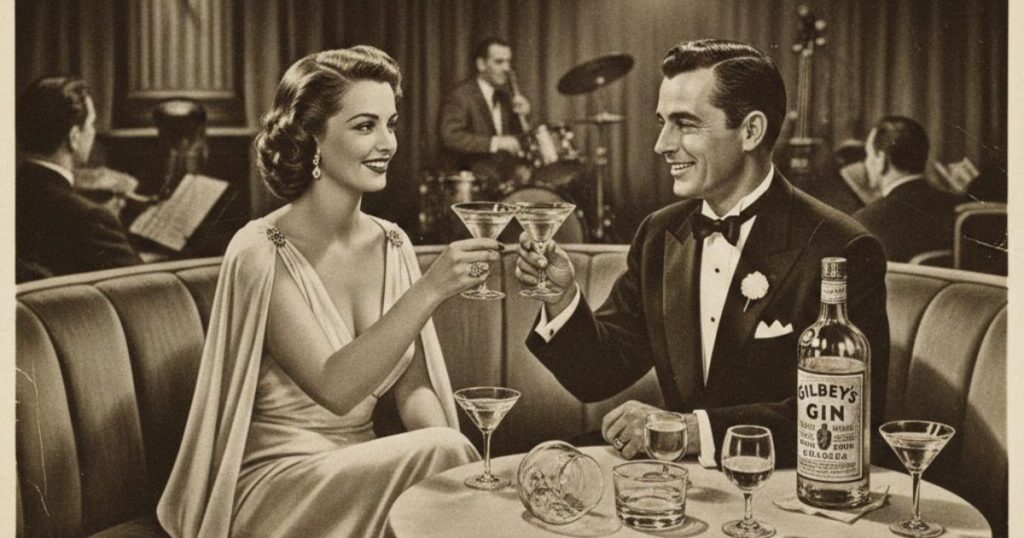
Gilbey’s Gin released a poster showing a Gin & Tonic with ice cubes forming the word SEX. This clever subliminal advertising example influenced the subconscious mind subtly and creatively.
The hidden message associated the drink with excitement and pleasure. Using subliminal messages in advertising, the brand aimed to trigger positive feelings, shaping consumer behavior and enhancing brand perception.
Overall, Gilbey’s campaign shows how subliminal messages and examples can connect products with emotions. When applied ethically, hidden cues can increase curiosity, engagement, and positive associations with a brand.
7. Coca Cola’s curves

Coca Cola’s poster from the 1980s featured ice cubes and the slogan “Feel the curves!!” with hidden imagery. This is a famous subliminal advertising example influencing the subconscious mind.
The subtle design linked the product to pleasure and excitement. Using subliminal messages in advertising, Coca Cola shaped consumer behavior by connecting its drink with positive emotions and curiosity.
Overall, this example shows how subliminal messages examples can enhance brand perception. Hidden cues in visuals trigger subconscious recognition, making products memorable while keeping the audience engaged creatively.
8. Benson & Hedges’ masculinity

Benson & Hedges introduced hard pack cigarettes using a couple embracing in their ad. Subtle details created a subliminal advertising example influencing the subconscious mind and shaping consumer behavior.
The man’s hand hid an erect phallus within the woman’s back, connecting masculinity and sexual excitement to the product. Such subliminal messages in advertising aimed to trigger cravings and brand engagement.
This clever design shows how subliminal messages examples can communicate ideas without being obvious. Hidden cues reinforced the product’s identity while subtly influencing consumer perception and loyalty.
Overall, Benson & Hedges’ campaign demonstrates the power of subliminal perception examples. When used creatively, hidden imagery can evoke emotions, associate values with products, and enhance brand perception effectively.
9. Husker Du

The board game Husker Du aired a 1973 TV ad where the words “get it” flashed briefly. This is a classic subliminal advertising example influencing the subconscious mind subtly.
Although no research confirmed its effect, the campaign showed how subliminal messages in advertising could grab attention, spark curiosity, and shape consumer behavior through brief, hidden cues.
Overall, Husker Du highlights how subliminal messages and examples can create discussion and awareness. Quick flashes or subtle text can influence the subconscious mind and leave a lasting impression on audiences.
10. SFX Magazine

SFX Magazine often covered part of its title with attractive images, creating a subtle subliminal advertising example. This influenced the subconscious mind and drew attention without viewers consciously noticing.
Such subliminal messages in advertising generated curiosity and excitement. The hidden cues encouraged readers to engage with the magazine, shaping consumer behavior while reinforcing brand appeal.
Overall, SFX Magazine shows how subliminal messages examples can enhance engagement. Subtle visual cues trigger interest and positive emotions, improving brand perception while keeping the audience entertained and attentive.
11. Tostitos

The Tostitos logo cleverly hides two people sharing a chip and dip in the letters “T-I-T.” This is a classic subliminal advertising example influencing the subconscious mind.
This subtle design promotes friendship and togetherness. Using subliminal messages in advertising, Tostitos connects positive emotions with the brand, shaping consumer behavior and reinforcing enjoyable social experiences.
Overall, Tostitos shows how subliminal messages examples can communicate brand values creatively. Hidden imagery evokes warmth and connection, improving brand perception while keeping the audience engaged subconsciously.
12. Burger King’s suggestive campaign

In 2009, Burger King promoted a seven-inch burger with a suggestive image and caption, creating a bold subliminal advertising example. This aimed to influence the subconscious mind subtly and humorously.
The campaign relied on sex appeal, using subliminal messages in advertising to catch attention and spark curiosity. This shaped consumer behavior by making viewers look twice at the ad.
Overall, Burger King’s approach shows how subliminal messages examples can be memorable but risky. Hidden or implied cues can engage audiences, enhance brand perception, and trigger emotional responses when done creatively.
13. Toblerone’s connection to its roots

Toblerone’s logo features the Swiss Alps, and a hidden bear represents Bern, its hometown. This is a clever subliminal advertising example influencing the subconscious mind with heritage and quality cues.
The hidden bear subtly reinforces trust and authenticity. Using subliminal messages in advertising, Toblerone connects its product with Swiss quality, shaping consumer behavior and positive associations.
Overall, Toblerone demonstrates how subliminal messages examples can communicate origins and values creatively. Subtle cues improve brand perception while giving audiences a meaningful, memorable impression of the product.
14. NBC

NBC’s logo features a colorful peacock, symbolizing pride and sophistication. This is a subtle subliminal advertising example that influences the subconscious mind by communicating confidence and authority.
The six colors represent NBC’s divisions and the introduction of color TV. Using subliminal messages in advertising, the logo enhances brand perception while keeping audiences engaged and attentive.
Overall, NBC shows how subliminal messages examples can convey multiple ideas simultaneously. Subtle visual cues improve consumer behavior and create lasting impressions without being overt or intrusive.
15. Baskin Robbins 31 flavours of Icecream

Baskin Robbins’ logo hides the number 31 in the letters “BR,” representing its 31 ice cream flavors. This is a clever subliminal advertising example influencing the subconscious mind.
The hidden number subtly communicates variety and choice. Using subliminal messages in advertising, the logo encourages consumer behavior by reminding customers of the brand’s unique selling point.
Overall, Baskin Robbins demonstrates how subliminal messages examples can convey important information creatively. Subtle cues enhance brand perception and make the logo memorable without overtly stating the message.
16. Coca cola and pepsi’s Halloween campaigns

Before Halloween, Pepsi ran a campaign joking about getting Coke instead. This is a fun subliminal advertising example, subtly influencing the subconscious mind while playing on brand rivalry and customer preference.
Coca Cola responded with a mirrored campaign, showing clever competition. Using subliminal messages in advertising, both brands engaged viewers, boosted consumer behavior, and kept their names top of mind.
Overall, these campaigns show how subliminal messages examples can entertain while reinforcing brand loyalty. Hidden cues, humor, and rivalry trigger positive emotions, enhancing brand perception and audience engagement creatively.
What aren’t examples of Subliminal Messages?
Not all marketing techniques are subliminal messages in advertising. Actions like product placement or influencer marketing are clearly visible and consciously detected, so they don’t influence the subconscious mind directly.
For instance, music choice in stores can affect mood and buying habits, but it is not a subliminal advertising example. Customers are aware of the music, influencing consumer behavior consciously rather than subconsciously.
Overall, brands should understand the difference between subliminal messages examples and visible marketing cues. Only hidden, subtle signals affect the subconscious mind, while overt tactics engage audiences consciously.
Here are a few examples of non subliminal messages:
Music choice in stores
Playing music in stores influences customers’ moods and buying habits, but it is not a subliminal advertising example. Listeners consciously perceive the music, affecting consumer behavior in real-time.
Research shows that slow tempo music can increase sales, while fast music encourages quicker decisions. This demonstrates how audible marketing techniques impact consumer behavior, unlike hidden subliminal messages in advertising.
Overall, music choice is an effective tool for engagement. Unlike subliminal messages examples, it consciously shapes shopping experiences, creating a comfortable atmosphere and influencing customers’ emotions and decisions openly.
Product placement
Product placement is a marketing strategy where brands appear in movies, TV shows, or music videos. This is not a subliminal advertising example, as audiences consciously notice the brand, influencing consumer behavior openly and effectively.
For example, characters using specific products or mentioning brands in scenes shape consumer perception and increase recognition. Unlike subliminal messages examples, product placement works above the threshold of awareness, engaging viewers and reinforcing brand identity directly.
Influencer marketing
Influencer marketing uses social media personalities to promote products. This is not a subliminal advertising example, as followers consciously notice endorsements, shaping consumer behavior and preferences through visible influence and trust.
Influencers often share products in posts or videos, affecting consumer perception directly. Unlike subliminal messages examples, this strategy relies on overt promotion, engagement, and the influencer’s credibility to boost brand awareness and loyalty.
Overall, influencer marketing is a transparent way to reach audiences. It consciously impacts decisions, demonstrating that not all marketing requires hidden subliminal messages in advertising to be effective.
Do Subliminal Messages Work?
Subliminal messages in advertising can work, but their effect is limited. Studies show they influence the subconscious mind only if consumers already have a need for the product, subtly shaping consumer behavior without conscious awareness.
For example, flashing a brand logo quickly or embedding hidden cues can affect preferences. These subliminal messages examples work best when paired with conscious exposure, reinforcing brand perception and creating positive associations that linger in the subconscious mind.
Conclusion
In conclusion, subliminal messages in advertising can subtly influence the subconscious mind and shape consumer behavior when used thoughtfully. From logos like FedEx and Amazon to creative campaigns by KFC and Tostitos, subliminal messages examples show how hidden cues communicate brand values, trust, and emotions.
However, not all marketing techniques, such as product placement, influencer marketing, or music choice in stores, qualify as subliminal advertising examples. When applied ethically, subliminal messaging enhances brand perception, reinforces positive associations, and engages audiences without deception. Marketers should combine conscious strategies with subtle cues for maximum impact.
FAQs
What are subliminal messages in marketing?
Subliminal messages in advertising are hidden visual or auditory cues that influence the subconscious mind, shaping consumer behavior without viewers consciously noticing the message.
Do subliminal messages actually work?
Yes, subliminal messages examples work best when consumers already need a product. They subtly influence decisions, reinforcing brand perception and positive emotions subconsciously.
Can logos contain subliminal messages?
Absolutely. Logos like FedEx, Amazon, and Baskin Robbins use subtle designs as subliminal advertising examples, sending hidden cues that enhance brand recognition and affect consumer behavior.
What are examples of non-subliminal marketing?
Techniques like product placement, influencer marketing, and store music are consciously noticed by audiences, unlike hidden subliminal messages in advertising, which target the subconscious mind.
Are subliminal messages ethical in advertising?
Yes, when used positively. Subliminal messages examples should enhance brand perception and communicate values without deception, keeping marketing ethical and engaging.
Read More Articles: Msgsword